

I’ve been doing heatless hair styling for three years now. Not because I’m a die-hard natural girlie (I still use heat tools on occasion), but because I got fed up with breakage.
The real question everyone asks isn’t whether these methods work—it’s whether they’re worth the effort. And the honest answer is complicated.
Heatless Hair Styling: Does It Really Work? Pros & Cons Explained
| Method | Best For | Hold Time | Effort | Comfort |
|---|---|---|---|---|
| Silk rods | Volume + defined curls | 8+ hours | Moderate | Difficult to sleep |
| Sock method | Waves + texture | 4–6 hours | Low | Easy to sleep |
| Headband wrapping | Thick hair + polish | 6+ hours | Moderate | Varies |
| Clips + clips (TikTok viral) | Tight texture | 4–8 hours | High | Painful |
| Braids + twists | Loose waves | 6–12 hours | Low | Very comfortable |
The Honest Reality: When Heatless Methods Actually Deliver Results
Here’s what I learned the hard way. Not every heatless method works on every hair type. A method that gave my friend gorgeous waves absolutely tanked on my medium-thickness hair. That matters more than any listicle will tell you.
The reason? Hair structure. Straight hair and fine hair struggle with heatless methods because without moisture or heat, there’s nothing to “set” a new curl pattern. Your hair has a memory—and that memory is usually straight. Thicker, wavier, or textured hair? They already have built-in dimension. Heatless methods just enhance what’s there.
I tested the viral TikTok clip method everyone’s obsessed with. The one where you clip sections of dry hair super tightly all over your head. My results were… underwhelming. Tiny crimps that looked 1990s and felt fragile. The issue: I was trying to force a curl pattern into hair that wasn’t naturally inclined to cooperate. It works beautifully for some people. For me, it was three hours of discomfort for mediocre results.
Why Some Methods Actually Protect Your Hair (And Others Don’t)
The biggest pro people cite is “no heat damage.” True. But that’s only half the story.
Wet hair is weaker than dry hair. Wrapping damp hair tightly around anything—whether it’s a sock or a satin rod—creates friction. Friction causes breakage. This isn’t talked about enough. I started doing the headband method on soaking-wet hair and noticed increased shedding within two weeks. Switched to damp (not wet) hair, and the problem stopped.
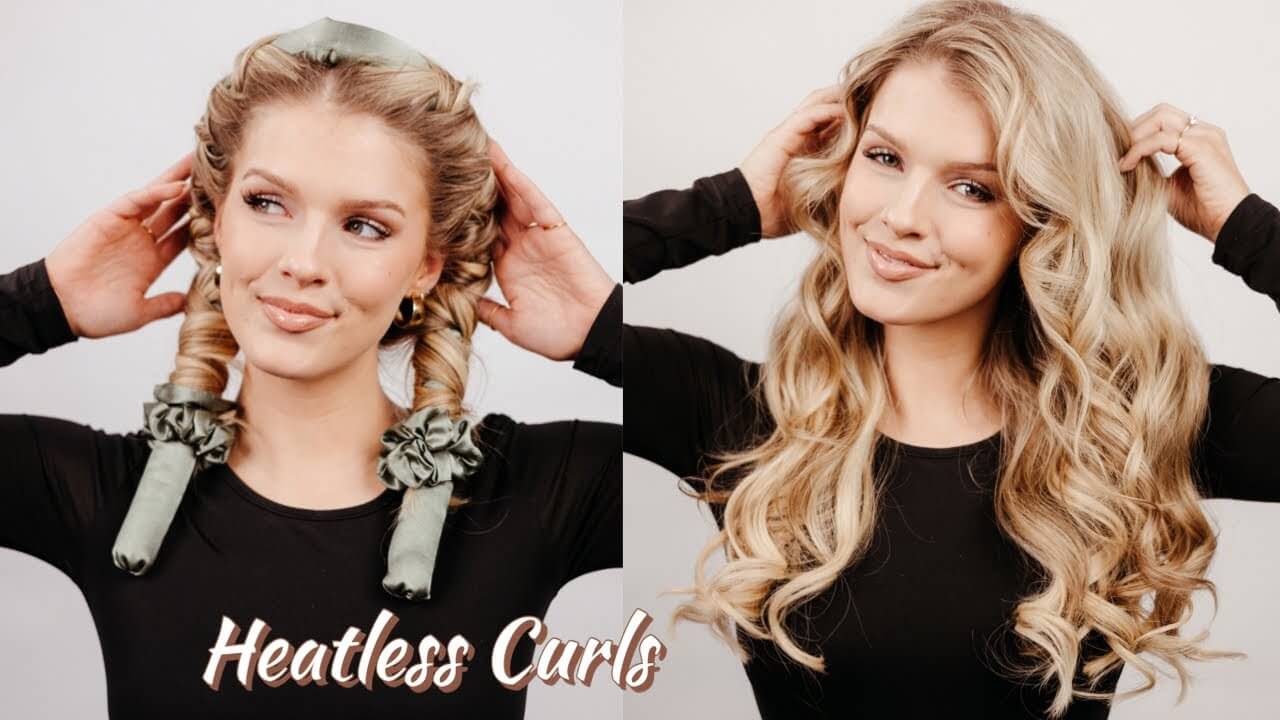
Silk and satin tools genuinely reduce friction compared to cotton or rough fabrics. That’s not marketing. It’s physics. The smoother the surface, the less stress on the cuticle layer. My hair felt noticeably softer after switching from cotton scrunchies to silk ones for holding heatless styles.
Metal clips placed super close together? They cause cuticle damage from pressure, not heat. Think of it like this: constant tight tension in the same spot will eventually compromise your cuticle, just differently than a hot tool would.
The safest methods are ones using thick, smooth fabrics and loose-to-medium tension. The sock method wins here because the tension is gentle and distributed across the hair shaft. Braids are similarly safe because they spread pressure evenly.
Where Heatless Styling Fails (And It Does)
Let me be blunt: these methods take forever, and the results are unpredictable.
I had a wedding to attend. I tried the silk rod method the night before. Set it up perfectly. Slept terribly—the rods dug into my neck, and I woke up at 3 AM in discomfort. Took them out after eight hours. The curls looked… decent. But they fell within four hours at the event. A curling iron would have taken 30 minutes and lasted all day.
Heatless methods require patience that hot tools don’t demand. You’re also dependent on exact timing. Leave rods in too long? Frizz. Not long enough? Flat waves. With a curling iron, you control the outcome in real-time.

For straight hair, heatless methods are borderline useless unless you’re doing it on freshly washed, damp hair. And even then, the hold is unpredictable. I have a friend with very straight hair who tried everything. The only thing that worked was the braiding method on soaking-wet hair, left in overnight. It gave her soft waves. But it required perfect timing and wasn’t reliable for planned events.
Cost isn’t an argument either, despite what some articles claim. Sure, you can use socks. But quality silk rods or flexi-rods aren’t cheap—$15–30 per set. If you buy multiple sets for different thickness levels? You’re spending what you’d spend on an average curling iron.
What Actually Works (My Real Findings)
After testing everything, I narrowed down what genuinely works:
Sock method on damp hair, 4–6 hours. This is my go-to for casual waves. Not tight curls. Waves. It’s forgiving, doesn’t require special tools, and doesn’t damage my hair. I do this on second-day hair, wrap in socks while I work, and get soft texture. No stress.
Braid method on wet hair, overnight. This actually works reliably. I braid damp hair loosely, sleep in it, wake up to waves. Takes 10 minutes to set up. The results last all day. The downside: braids aren’t flattering if you need to leave the house during the set time.
Silk rods on damp hair, 6–8 hours. This is the most reliable for actual curls (not waves). Requires patience and comfort tolerance, but the results are predictable. I do this on a day I’m working from home.
What doesn’t work for me: clips (uncomfortable, mediocre results), headbands (slips off constantly), and the leggings method (useless).
The Real Cons Nobody Mentions
Heatless styling takes planning. You can’t wake up and quickly curl your hair this way. You need to set it the night before or during your work-from-home hours. That’s a significant lifestyle limitation most articles gloss over.
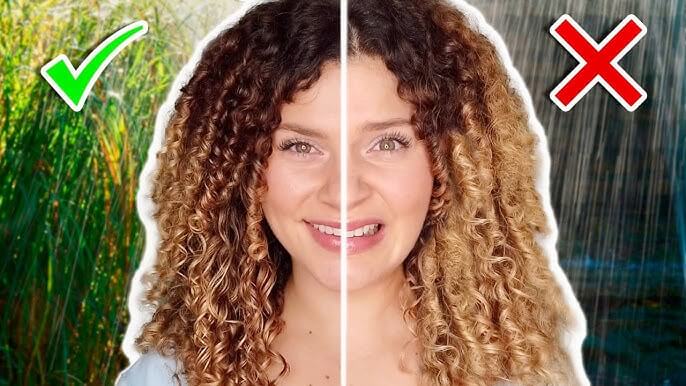
Humidity is your enemy. I live in a dry climate, so heatless curls hold relatively well. My sister lives near the coast. Her curls fall flat within an hour in humid weather. All the time investment, zero payoff.
Your sleep quality matters. If you’re someone who moves around at night, rods and certain methods will either fall out or cause neck pain. I’ve trained myself to sleep still because I love the results. But that’s not realistic for everyone.
Some methods (especially braids) don’t work if you have certain face shapes or hairstyles. A loose braid is visible and won’t work if you’re leaving the house. Rods are more discreet but less comfortable.
Frizz is a real possibility, especially if your hair is drier. You either need to use leave-in conditioner or work with damp (not wet) hair, which extends the time needed.
The Genuine Pros (When Conditions Align)
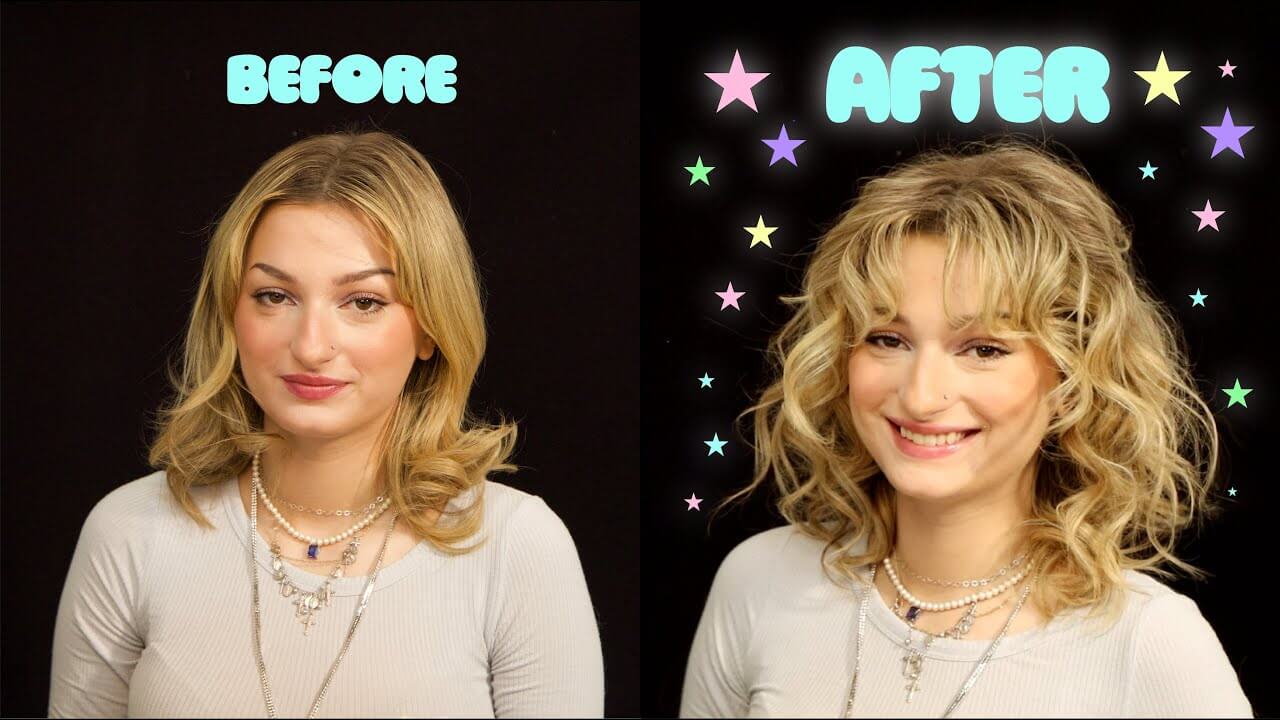
If you have medium-to-thick hair, wavy texture, and time to plan ahead, heatless styling legitimately works. I’ve gotten compliments on my waves from this method more than from heat styling.
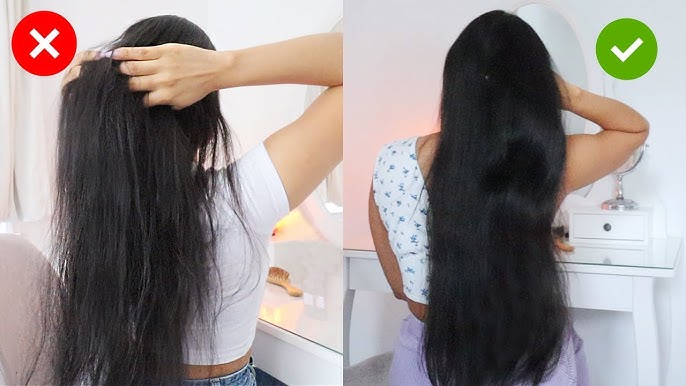
It’s genuinely less damaging over time. I noticed less breakage, softer ends, and shinier hair after consistently using heatless methods. That’s real, though it takes months to notice.
It’s cost-effective long-term. My silk rods cost $25 upfront. I’ve used them weekly for three years. That’s more economical than running a curling iron hundreds of times.
There’s zero daily commitment. Unlike heat styling, once the curls are set, I don’t need to touch up or maintain them during the day. They just exist.
You can use it as a protective styling method. Loose braids, for example, are actually considered protective styles because they minimize manipulation and tension.
The Verdict
Heatless hair styling works if:
- You have naturally textured or wavy hair
- You can plan 6–12 hours ahead
- You’re willing to tolerate minor discomfort (rods pressing into your head)
- You live in a drier climate or have low-humidity living space
- You have time to do the setup (usually 5–15 minutes)
Skip it if:
- You have straight hair and want reliable curls
- You need instant results
- You move a lot in your sleep
- You live in a humid environment
- You value comfort over curl results
- You need styling flexibility and quick turnarounds
For me? I use both. Heatless methods for days when I’m home or when I want to maintain hair health. Heat tools for events, rush situations, or when I want absolutely guaranteed results. The combo approach keeps my hair healthier than heat alone, without the frustration of exclusively relying on finicky heatless methods.
The honest truth is this: heatless styling doesn’t replace heat styling. It complements it. If you’re hoping it will revolutionize your routine, it might not. But if you’re looking for a gentler alternative for casual days, it’s absolutely worth testing—as long as you match the method to your actual hair type.
Quick Answers to Real Questions People Ask
Can I do heatless curls on completely dry hair?
Unlikely, unless you have curly or very textured hair. Dry hair won’t hold a new shape without moisture to reset the hydrogen bonds. You need damp hair at minimum.
Will heatless curls damage my hair if I do them every day?
Potentially. Daily friction and tension can cause breakage over time, even without heat. 3–4 times weekly is safer. If you’re doing it daily, keep tension loose and use silk/satin tools.
How long do heatless curls actually last?
4–12 hours depending on your hair type, humidity, and which method you use. Straight hair: 4–6 hours (if they hold at all). Wavy/textured: 8–12 hours. Humidity will cut this time in half.
Which method is safest for damaged hair?
Braids. They distribute tension evenly across the hair shaft instead of concentrating it in one spot. Loose braids are genuinely protective styling.
Do heatless curls work on short hair?
Yes, but with limitations. Rods and socks are tricky. The headband method and clip methods work better. Braids work great on short hair and often look intentional (not like you’re setting a style).
Can I use regular hair ties instead of buying special heatless curler sets?
Sure. You can DIY with socks, belts, or scarves. Quality matters less than technique. That said, silk rods are worth the investment if you’re doing this regularly—they really do reduce friction compared to cheaper alternatives.
What’s the difference between heatless curls and heat-free styling?
They’re the same thing. Different terminology. Heat-free, no-heat, heatless—all mean avoiding hot tools.