
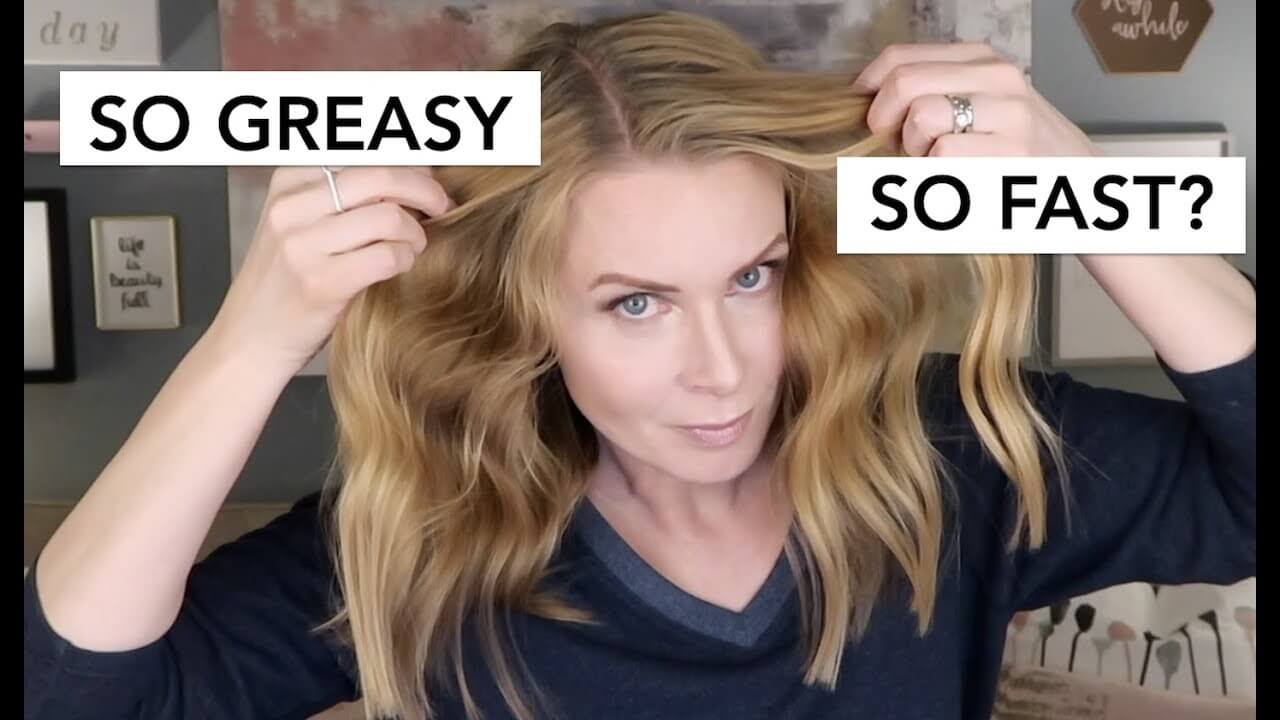

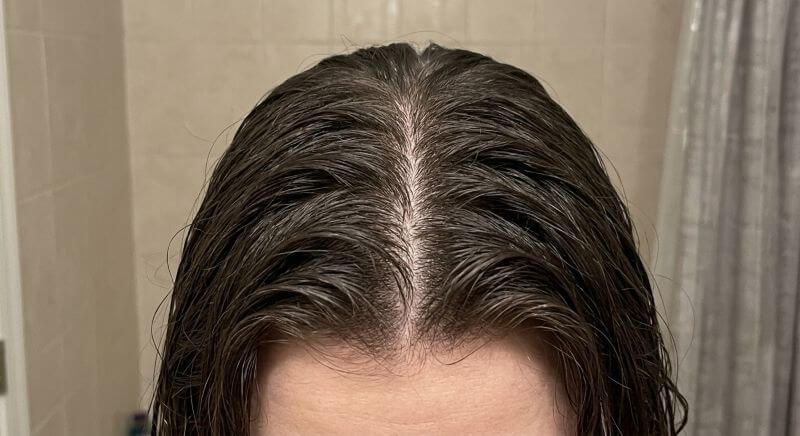
Your hair comes out of the shower looking… compressed. Like you’ve slept on it wrong, except you literally just washed it.
This happens to me every single time I try a new shampoo. That moment when you turn off the water and there’s zero bounce, zero texture—just wet strands plastered to your scalp. And if you let it air-dry from there? Forget it. Completely flat by the time it’s dry.
I used to think it was just my hair type. Turns out, it’s usually a combination of three specific things happening at once, and once you understand them, you can actually prevent it.
Why Your Hair Looks Flat After Washing (And How to Fix It)
| Problem | Why It Happens | Fix Window |
|---|---|---|
| Heavy conditioner on roots | Weights down the scalp immediately | While still wet |
| Water + gravity | Hair strands swell, then collapse | First 10 minutes after shower |
| Wrong drying technique | Pressing hair down instead of lifting | As you dry |
| Product residue buildup | Oil and silicone accumulate invisibly | During your next clarifying wash |
The First 60 Seconds Matter More Than You Think
When you step out of the shower, your hair is at its heaviest. Water molecules have swollen each strand, and gravity is doing its thing. This is actually the moment that determines everything.
What I noticed after trying dozens of routines: the flattening starts immediately if you’ve made one specific mistake during washing.
Most people condition their entire head—roots included. I did this for years. And every time, my roots would feel gross and weighed down within an hour of drying.
Here’s what actually happens: conditioner is literally designed to smooth and coat your cuticles. That coating feels nice when wet, but once water evaporates, it leaves a waxy residue on your scalp. Your hair can’t stand up. It just… sits there.
The fix sounds obvious, but the execution matters. Shampoo only your scalp and the first two inches of your mid-shaft. Then rinse completely. Condition from mid-shaft to ends only—avoid your roots by a solid inch. This changes everything.
I tested this by literally sectioning my hair and applying conditioner differently to each side. One side (conditioned to the roots) was noticeably flatter when dry. The other side? Actually had volume.
Product Buildup Is the Invisible Culprit
Here’s the thing nobody tells you clearly: flat hair after washing often isn’t about that wash. It’s about all the washes before it.
Every styling product—mousse, dry shampoo, volumizing spray, even lightweight serums—leaves a residue. It’s not visible. You can’t feel it. But it accumulates on your hair and scalp like dust on a bookshelf.
When you wash, that buildup mixes with conditioner and natural oils. Your hair comes out looking clean, but it’s actually… gummed up.
I realized this was happening to me when I switched to a clarifying shampoo once a week. Just once. Not a strip-your-hair-bare clarify—just a gentle one designed to remove buildup. After that wash, my regular shampoo suddenly worked better. My hair was bouncier.
The difference was shocking because I wasn’t doing anything new—I was just removing what was already there.
The Drying Technique That Actually Lifts (Not Flattens)
If you blow-dry at all, the way you start matters obsessively.
I used to blow-dry my hair normally—standing upright, sections at a time. And it would come out… flat. With some texture, but no real height at the roots.
Then a stylist told me to flip my head upside down while blow-drying the roots. I thought it was gimmicky. It’s not.
When your head is inverted, gravity works with your dryer, not against it. The warm air lifts the hair up and away from your scalp. Your roots dry in an expanded state. When you flip back upright, they’ve already set that way.
But here’s the catch I discovered: you can’t do this effectively if your hair is soaking wet. If water is literally dripping, you’ll spend 10 minutes getting nowhere. Instead, after washing, gently squeeze water out (don’t wring it). Use a microfiber towel or t-shirt to absorb moisture for 2-3 minutes.
Then flip and blow-dry your roots first. Once those are maybe 70% dry, flip back up and finish the rest normally.
Without this approach, even if you blow-dry, the weight of the water keeps roots flat until they’re almost completely dry. By then, they’ve already set in that compressed position.
Air-Drying Creates a Specific Problem
If you’re air-drying, there’s a pattern I noticed happening every single time I tried it:
Hair dries from the outside in. The outside strands set first (usually flat and smooth). The inside is still damp. By the time the inside dries, it has no structure to push against—it just hangs.
That’s why your roots feel so flat an hour after air-drying, even though you didn’t do anything to them.
You can partially fix this with sea salt spray. Spray it on damp hair (not soaking, not fully dry) and it adds texture and light hold. The crystals give structure while the hair dries. But it only works if you catch the timing right—apply it too early and it dries before the hair does, too late and the hair’s already set.
I’ve had better success using a volumizing mousse on damp hair before air-drying. The mousse provides a light hold and actual body as moisture evaporates. It’s not heavy like gel. It’s just… there, helping.
The catch: you have to apply it to the roots and mid-shaft, then let it dry naturally. If you touch or manipulate your hair while it’s drying, the mousse breaks down and you lose the volume. Annoying, but it works.
The Water Temperature Mistake
Hot water opens your hair cuticles. Warm water is fine. But if you’re using hot water—especially if you’re shampooing with hot and rinsing with hot—your cuticles stay open longer.
Open cuticles = smoother, flatter hair until they close again.
I’m not saying you need a shocking cold rinse every time. But finishing with lukewarm or cool water (even just the last 10 seconds) helps your cuticles close. Closed cuticles reflect light better and feel bouncier.
Does it matter that much? Honestly, it’s maybe 10-15% of your flat-hair problem. But combined with everything else here, it adds up.
The Texture-Adding Products That Actually Work
Not all volumizing products are created equal.
Dry shampoo is great, but only if you apply it before your hair gets oily. Using it on already-oily roots doesn’t lift them—it just masks the grease. I apply mine the night before I wash, or right after blow-drying while roots are still dry. It soaks up tomorrow’s oil, preventing collapse.
Root-lifting spray is different. It’s meant for damp hair and adds immediate lift. I use it right after towel-drying, before I blow-dry. It’s not heavy. It’s just a spray that helps your roots stay separated.
Texturizing spray or salt spray works best on hair that’s maybe 60-70% dry. Too wet and it washes out. Too dry and the hair won’t absorb it properly.
The mistake I made for years: using these products on completely dry hair and expecting them to magically add volume. They can’t. They work as the hair is drying, giving structure while it sets.
What Your Hair Type Changes Here
If you have fine or thin hair, everything above matters more. Your hair has fewer strands, so each one needs to actually stand up. Buildup tanks you. Heavy products devastate you. Every technique matters.
If you have thick or coarse hair, you might actually want some weight to manage frizz. You can condition your roots without the same flattening effect. But you still need to watch product buildup.
Curly or wavy hair is its own beast. Moisture is usually good (it keeps curls defined), but too much weight from heavy products will relax your curl pattern. Your “flat” might look different—more like your curls fell and dried straight instead of bouncy coils.
The One Clarifying Wash That Changes Everything
If your flat-hair problem started recently or got worse, it’s probably buildup.
Do one clarifying wash. Use a clarifying shampoo (not a stripping one—clarifying is gentler). Lather twice. Rinse really well. Skip conditioner this time (or use it only on ends).
Then go back to your normal routine.
Ninety percent of the time, people tell me their hair suddenly has volume again after one clear-out. It feels like magic, but it’s just you finally getting to actual clean hair instead of clean hair with invisible residue on top.
The Timeline: What Happens in the First Hour
Minute 0: You get out of the shower. Hair is soaking, heavy, and definitely flat-looking. This is normal.
Minutes 0-5: This is your window to intervene. Apply volumizing mousse, root spray, or texturizing products now. If you wait until your hair is 50% dry, they won’t work as well.
Minutes 5-15: If you’re blow-drying, start now. Focus on roots first, ideally upside-down. Your hair is still damp enough that it’ll shape properly, but not so wet that you’re wasting energy.
Minutes 15-30: Finish blow-drying normally. Add texture if needed.
Minutes 30-60: Your hair should be mostly dry. If you used mousse or sea salt spray, it’s setting. Don’t mess with it. Let it finish drying.
After 60 minutes: Your hair’s final shape is locked in. This is when you can see if it actually has volume, or if it’s still flat.
Quick Fixes If Your Hair is Already Flat
Sometimes you don’t have time to redo your whole routine. Here are actual emergency moves:
Dry shampoo boost: Spray dry shampoo at your roots, let it sit 30 seconds, then flip your head upside-down and brush through. Gravity helps it reach the base of every strand. Flip back up. Better, not perfect.
Texture spray + tease: Spray texture spray on flat sections, then gently backcomb with a fine-toothed comb. Doesn’t last long, but works in a pinch.
Braid or bun: Pulling your hair up changes where gravity pulls, which can add temporary lift at the roots. When you let it back down, there’s more volume.
Change your part: Seriously. Your hair lays naturally in one direction. If you part on the opposite side, the hair that usually gets pressed down is suddenly being lifted. Creates the illusion of fullness.
None of these are long-term fixes. But they work right now.
What You Actually Need to Change
Stop buying “volumizing” products and start buying products made for your hair weight.
Fine hair needs lightweight shampoos and conditioners. Not “volumizing” necessarily, just light. Brands often use those terms interchangeably.
Skip heavy serums, oils, and leave-in conditioners unless your ends are actually dry. If your roots are flat, adding more moisture won’t help—it’ll make it worse.
Consider your conditioner as the culprit first. Switch to conditioning only the bottom third of your hair. If that doesn’t help, try a different conditioner (lighter formula).
If it’s still flat, add a clarifying wash once weekly.
The order of problem-solving:
- Stop conditioning your roots
- Switch to lighter conditioner
- Clarify weekly
- Fix your drying technique
- Then add products
Most people do it backwards and wonder why nothing works.
Frequently Asked Questions
Q: Does washing hair more often help with flatness?
No. Washing more strips your scalp of natural oils, which makes your body produce more oil to compensate. You end up back where you started, but with more damaged hair. Wash every other day max if you have flat hair. Your scalp will balance out after a week.
Q: Will cutting my hair make it less flat?
Maybe. Shorter hair has less weight pulling it down. But if your problem is actually technique or product buildup, cutting won’t fix it—you’ll just have short flat hair. Fix the root cause first.
Q: Is it the shampoo’s fault?
Could be. But usually, it’s not. Shampoo matters less than conditioner placement and drying technique. If you’re open to switching, try a clarifying shampoo first to see if that reveals the real issue.
Q: Can I use a hair mask if I have flat hair?
Only on ends. Hair masks are heavy and moisturizing. If you apply them to your whole head, even dried-out flat hair will become even flatter until your next wash.
Q: Does blow-drying always prevent flat hair?
No. Blow-drying helps if you use the right technique (roots first, some upside-down time). Blow-drying with bad technique can actually flatten more because you’re pressing hair against your scalp.
Q: What if I have flat hair in some spots but volume in others?
That’s usually product buildup uneven. You might be conditioning one side more than the other, or product settles differently. Try the clarifying wash and adjust where you apply conditioner.
Q: How long does it take to fix flat hair?
One wash if it’s technique. One week if you need to add a weekly clarifying step. A few weeks if your routine changes take time to show results.
The Real Issue
Your hair isn’t broken.
Ninety percent of “flat hair after washing” is a combination of: conditioner on roots, product buildup, and drying technique. Not your hair’s fault. Not genetics.
Fix those three things—adjust where you condition, clarify once weekly, and dry your roots upright or upside-down to create lift—and your hair changes.
It’s not magic. It’s just understanding what’s actually happening in the first hour after your shower.