


My hair was always fine. Not in a “delicate” way—I mean actually thin. Flat. The kind of hair that would look limp two days after washing, no matter what I tried.
I spent years buying volumizing shampoos and sprays. Nothing stuck. Not because the products were bad, but because I was missing the actual fundamentals. The real game-changer wasn’t finding the “right product.” It was understanding that how to make thin hair look thicker naturally has almost nothing to do with what you buy—and everything to do with what you do.
How to Make Thin Hair Look Thicker Naturally (No Products Needed)
Let me walk you through what actually shifted for me.
| What Works | Timeline | Effort Level |
|---|---|---|
| Scalp massage routine | 3–4 weeks for noticeable change | 5 min/day |
| Dry towel method | Immediate | 2 min after shower |
| Strategic haircut (layers, shorter length) | Instant | One appointment |
| Sleep on silk pillowcase | 2–3 weeks | No daily effort |
| Nutrient-dense eating | 4–6 weeks | Meal planning only |
| Less frequent washing | 1–2 weeks adjustment | Behavioral change |
| Air-dry styling | Immediate | Habit shift |
| Scalp exfoliation | 2 weeks for visible results | 1x/week, 5 min |
The Scalp Massage Reality Check
I discovered this accidentally. My head was itchy during winter. I started massaging my scalp while showering—nothing fancy, just firm circular motions with my fingertips for about 5 minutes.
By week two, I noticed the hair at my crown looked less flat. Lifted, somehow.
Turns out, scalp massage increases blood flow to hair follicles. More blood = more oxygen and nutrients reaching the roots. It sounds almost too simple, but the science is solid. A 2016 study from Dermatology Practical & Conceptual showed that daily scalp massage for just a few weeks tangibly increased hair thickness in participants.
The key: pressure matters. You’re not petting your hair. You’re actually massaging the scalp underneath.
What I do now: Every shower, I spend 5 minutes with my fingertips pressed firmly against my scalp, moving in small circles. I start at the nape of my neck and work upward toward the crown. The area where hair tends to thin the most gets extra attention.
One weird benefit: it became meditation-like. Calming. Stress is another hair-thickening killer (I’ve learned this the hard way), so this routine double-dipped—scalp stimulation plus stress relief.
Why Your Towel Habit Is Probably Killing Your Volume
This changed everything for me faster than anything else.
I used to wrap my hair aggressively in a regular bath towel after showering. Squeeze, twist, wrap. Standard routine, right? But thin hair is fragile. Wet hair is weaker than dry hair. That rough treatment causes breakage and friction that flattens everything.
Now I use a simple microfiber towel (or even a cotton t-shirt). I press gently—no twisting, no aggressive wringing. The microfiber absorbs water without the friction.
The visual difference is immediate. My hair looks fuller just because I’m not creating breakage along the length of each strand.
Here’s the bonus part: if you don’t blow-dry, you can let it air-dry partially in this gentle towel first, then let gravity do the rest. No heat damage. No manipulation. Just less breakage.
The Haircut Nobody Talks About
I finally scheduled a consultation with an actual stylist instead of just going in for “a trim.”
Thin hair needs structure. Blunt, heavy-layered cuts can work against you—they feel thick initially but actually show every gap because all the hair ends at once. What works is a layered cut with movement. Shorter lengths also appear fuller because density looks better on shorter hair.
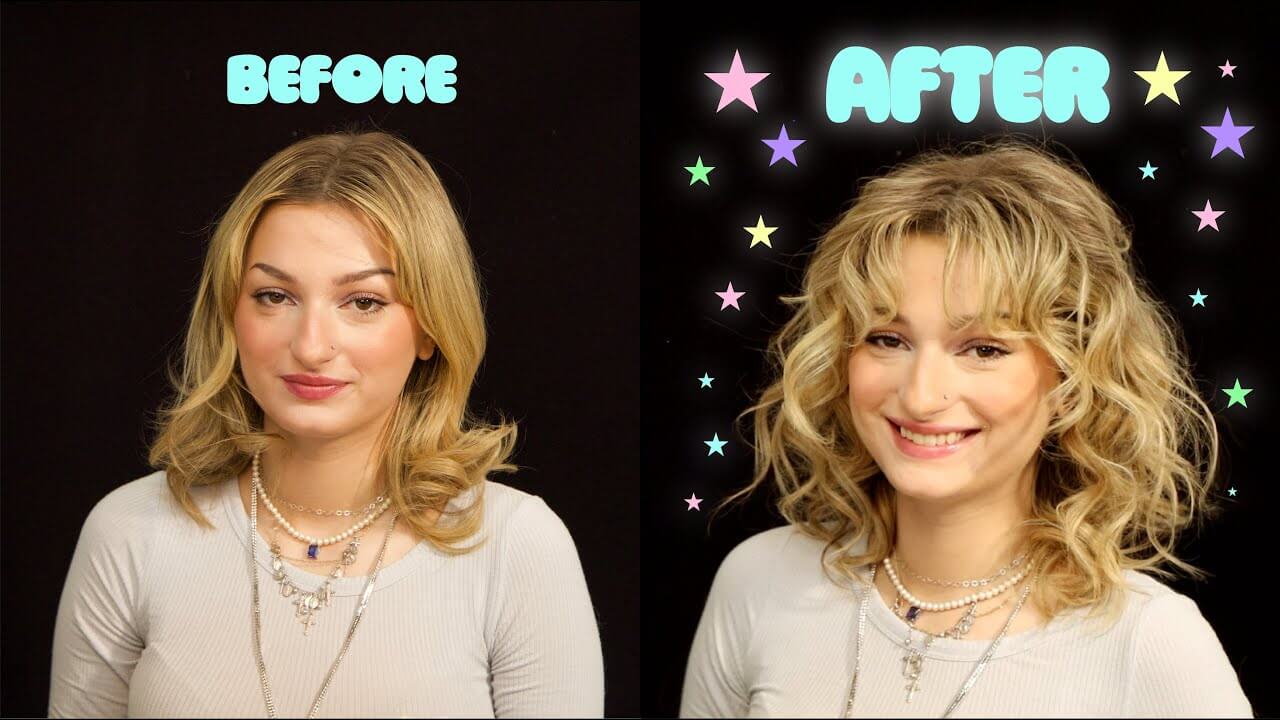
I went from shoulder-length straight layers to a shoulder-length textured cut with shorter pieces throughout and longer underneath. The result felt like I’d gained hair. I hadn’t. The cut just showed thickness better.
Also: trim every 6–8 weeks. Split ends split further up the hair shaft, making everything look thinner. A small trim removes that damaged weight and makes each strand appear healthier.
What I Eat Actually Matters (This Took Me Months to Realize)
I wasn’t getting enough protein. I ate reasonably healthy, but I wasn’t intentional about it.
Hair is made of keratin—a protein. When your body doesn’t have enough protein coming in, it prioritizes vital organs. Hair gets the scraps. This was probably why my hair looked thin even when it physically had volume.
I increased protein consciously: eggs, Greek yogurt, lean chicken, fish, legumes. Nothing extreme. Just making sure each meal had a protein source.
It took about 6 weeks to notice the difference. My hair felt stronger, grew faster, and looked less fragile. The individual strands seemed thicker.
I also started actually hydrating. Not obsessively—just normal water intake (like 6–8 glasses a day, depending on activity). Dehydration shows up first in your hair and skin. It was one of those basic things I wasn’t doing consistently.
Bonus nutrients I’m intentional about: iron, zinc, B vitamins. These all support hair growth and strength. I don’t supplement obsessively, but I eat them. Spinach, oysters, beef, seeds.
Washing Less Actually Works (Even Though It Feels Wrong)
This was counterintuitive to me. I thought more washing = cleaner = better hair.
When you wash every day, you strip natural oils from your scalp. Your scalp then overproduces oil to compensate. This creates a cycle where your hair looks greasy and flat faster.
I moved to washing twice a week. The first week was awkward. My hair looked oily on day three.
By week two, my scalp regulated. By week three, I genuinely had more volume on day five of not washing than I’d ever had on day three with daily washing.
The natural oils coat the hair shaft, which makes fine hairs look thicker and shields them from damage.
If twice a week feels extreme, start with every other day. The key is giving your scalp time to balance.
One hack: on off-wash days, I massage my scalp to distribute those natural oils downward. No product. Just the massage technique from earlier.
Sleep Position Shifts the Game
I’d never connected my sleep setup to hair, but it’s actually relevant.
Rough cotton pillowcases create friction against hair strands throughout the night. Over time, this causes breakage and makes thin hair look even thinner. A silk or satin pillowcase reduces friction dramatically.
I switched about two years ago. The difference was subtle at first, then noticeable. Less breakage means healthier-looking hair overall.
Plus, silk pillowcases are better for skin, which was a bonus I didn’t anticipate.
Side note: sleeping on your back reduces both hair friction and sleep creases on your face. I can’t always do this, but when I do, my hair definitely looks better in the morning.
One Thing I Didn’t Expect: Stress Actually Showed
During a particularly stressful period, my hair visibly thinned. I’m not talking about dramatic hair loss—just a noticeable reduction in density.
I can’t point to a single fix, but the combination of better sleep, the scalp massage routine, and intentionally managing stress (yes, that meditation-like massage helped) brought it back within a few months.
Chronic stress messes with your cortisol levels, which affects hair growth cycles. It’s not something you can willpower away, but it’s worth acknowledging.
The scalp massage, the nutrient focus, and the washing routine all became easier when I wasn’t fighting stress simultaneously.
The Air-Dry Approach (No Heat = More Volume)
I used to blow-dry everything, thinking it made my hair look thicker.
It did, temporarily. But heat dries out thin hair and creates damage that compounds over time. My hair looked flatter the next day because the daily heat was weakening it.
I started air-drying 80% of the time. On mornings when I need it to dry faster, I use low heat and a diffuser (spreading the heat over a wider area instead of concentrating it).
Air-dried hair looks fuller because it’s not been manipulated by heat. It also doesn’t have that artificial lift that blow-drying creates—which means you see the actual density, not an illusion that collapses later.
Scalp Exfoliation (This One’s Sneaky)
Buildup on the scalp—dead skin cells, leftover conditioner, natural oil accumulation—can suffocate hair follicles and make hair look flat and limp.
Once a week, I use a gentle scalp scrub (like a paste of brown sugar and coconut oil, honestly). I massage it in gently and rinse thoroughly.
The difference is noticeable within a week. Hair feels lighter. More volume. The follicles aren’t strangled under buildup anymore.
This isn’t about being obsessive with cleanliness. It’s about keeping the scalp environment healthy so hair can actually grow properly.
One Quick Summary
If you take nothing else from this: scalp health, gentle handling, adequate nutrition, and strategic styling are the actual drivers. Everything else is secondary.
I stopped waiting for a magic product. Instead, I fixed the fundamentals:
- Massage your scalp daily (5 min, it costs nothing)
- Treat wet hair gently (microfiber towel, no twisting)
- Get a cut designed for thin hair (layers, texture, length)
- Eat enough protein and stay hydrated (boring but works)
- Wash less frequently (let oils build up, they’re your friend)
- Sleep on silk (reduces breakage)
- Air-dry when possible (less damage)
- Exfoliate your scalp weekly (removes buildup)
The volume you get isn’t fake thickness. It’s real density improvement from treating your hair and scalp right.
Frequently Asked Questions
How long before I see actual results?
Scalp massage and the towel method show results within a few days to a week. The cut, nutrition, and washing changes take 3–6 weeks to become obvious. Be patient with yourself.
Do I have to use a silk pillowcase?
No, but it helps. If you can’t afford one right now, a satin one is cheaper and nearly as effective. Regular cotton is the only one I’d really skip if possible.
What if my hair is naturally thin from genetics?
You can’t change your genetics, but you can maximize what you have. These techniques won’t turn thin hair into thick hair, but they’ll make it look and feel substantially fuller—and prevent damage that makes it look worse.
Is scalp massage actually scientifically backed?
Yes. The 2016 study I mentioned used actual measurements of hair thickness. Participants who massaged their scalp showed statistically significant increases in hair diameter. It’s not placebo.
Can I skip the diet changes and just do the styling stuff?
Technically, yes. But you’re leaving gains on the table. Hair grows from the inside out. If you’re not feeding it properly, styling tricks can only do so much. Even small nutrition shifts compound over months.
What if my scalp is sensitive?
Massage gently. Don’t scrub aggressively. If exfoliation irritates you, skip it. The massage alone is enough. You don’t need every tactic—pick the ones that work for your body.
Ready to give these a real try? Pick one or two and commit for a month. You’ll know what’s working for your specific hair because you’ll actually see the difference. That’s how I figured out what mattered.