
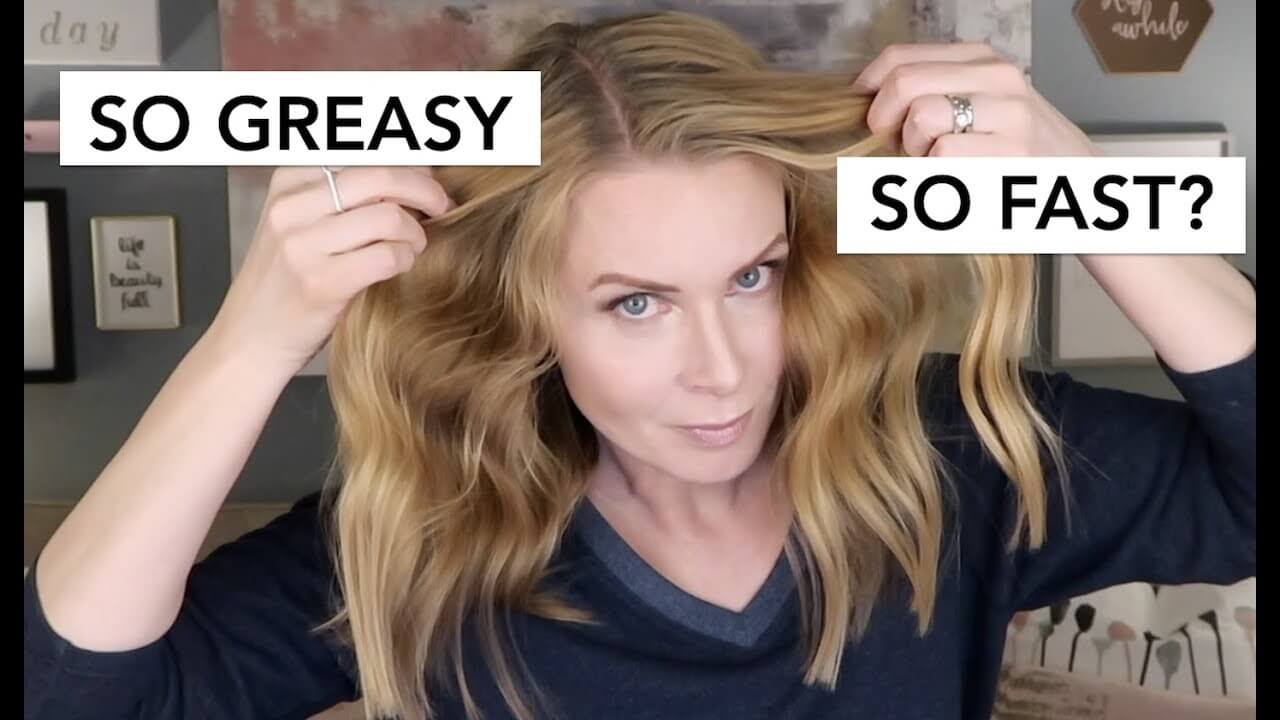

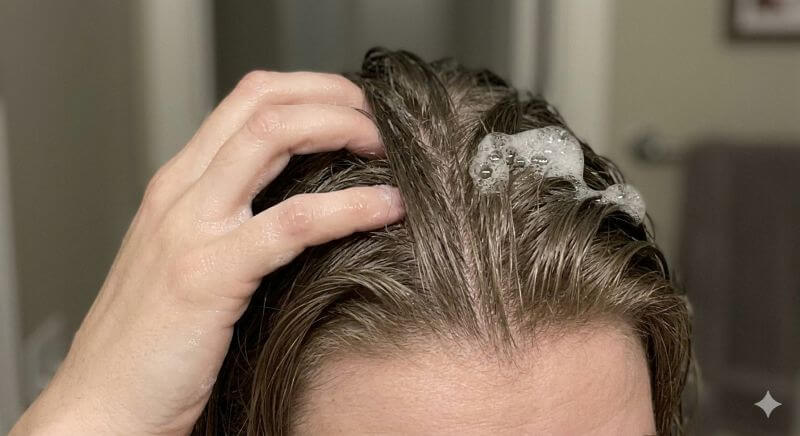
I spent three years figuring out my own washing schedule. Tried daily washes, once-a-week routines, dry shampoo obsessions—all of it. The turning point? Stop following generic rules and actually listen to what your hair is telling you.
That’s what this guide is about.
How Often Should You Wash Your Hair? (The Honest Answer Based on What Actually Works)
The Washing Dilemma Nobody Talks About
Here’s what I noticed: the advice online is contradictory because everyone’s hair is different. Your friend with thick curls can rock a week without shampooing. You’ll feel like you haven’t showered in days by day three.
The real issue isn’t the number of times you wash. It’s understanding why your hair needs what it needs—and that starts with knowing what’s actually happening on your scalp.
Your scalp produces sebum. That’s the natural oil that keeps your hair alive. Too much sebum? Greasy mess. Too little? Dry, brittle strands. The sweet spot depends entirely on your hair’s texture, thickness, and how well oils travel down your shaft.
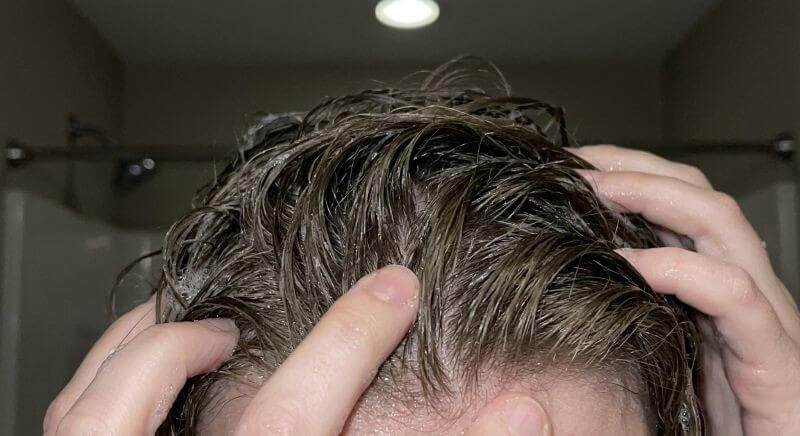
The Real Talk: Why Hair Type Actually Matters
| Hair Type | What Makes It Different | Sweet Spot |
|---|---|---|
| Straight/Fine | Oil travels down quickly; gets greasy fast | Every 1–3 days |
| Wavy | Oil distribution is inconsistent (roots oily, ends dry) | Every 2–3 days |
| Curly | Oil struggles to travel down the spiral pattern | Every 3–5 days |
| Coily/Textured | Slowest oil distribution; naturally driest | Every 5–7 days |
Notice I didn’t say “wash 3 times a week.” I said “the sweet spot is this range.” That’s because it matters why you’re washing.
Fine & Straight Hair: The Oil Slide Problem
My sister has thin, straight hair. She tried going three days between washes. By day two, her roots looked like she’d dipped them in coconut oil. Not ideal.
Here’s why: sebum slides down straight hair like it’s on a waterslide. There’s nothing to stop it.
She shifted to washing every 2–3 days (sometimes every other day during summer heat). But here’s the thing—she wasn’t using regular shampoo on those days. She’d use a lightweight, sulfate-free formula that didn’t completely strip her scalp. That made all the difference.
If you have straight hair and you’re getting greasy fast, check two things first:
Your shampoo might be too harsh. If you’re using something stripping, your scalp panics and produces more oil to compensate. It’s a vicious cycle.
You might be conditioning your roots. I watched her make this mistake. She’d apply conditioner everywhere, then wonder why her roots were weighed down and greasy. Conditioner goes on the ends. Period.
Wavy Hair: The Inconsistency Problem
Wavy hair is like that friend who’s unpredictable. Some days it’s bouncy and perfect. Other days it’s frizzy with oily roots and dry ends.
The reason? Waves don’t let oil travel as smoothly as straight hair, but they’re not curly enough to keep oil trapped at the scalp. You get an uneven distribution—greasy roots, thirsty ends.
I tested this on my own hair (I’m a 2C wave pattern). Washing every 2–3 days kept my roots fresh without drying out my wave structure. But on non-wash days, I couldn’t just dry shampoo and move on. My waves would frizz or lose shape entirely.
That’s where refresh sprays became a game-changer. A light mist of water + a curl-refreshing product, and my waves bounced back without a full wash.
One mistake I made repeatedly: using the wrong conditioner. I’d grab something thick and creamy (which was great for my ends), but it would weigh down my wave pattern at the roots. Switched to a lighter, gel-based leave-in conditioner for non-wash days, and everything shifted.
Curly Hair: The Moisture-First Mindset
I talked to friends with curly hair, and they all said the same thing: “I stopped washing as much, and my curls actually got better.”
The science is solid. Curly hair doesn’t distribute oil well—that spiral pattern traps sebum at the scalp. So while your roots might get oily, your ends are drying out faster than you’d think. Shampooing frequently strips that precious oil even more.
Most people with curly hair do best washing once or twice a week. But—and this is crucial—the washing method changes everything.
Co-washing (washing with conditioner instead of shampoo) became my friend’s go-to on days when her curls needed refreshing but she didn’t want a full shampoo. It cleaned enough without stripping moisture.
The biggest mistake I see: curly-haired people still treating wash day like straight-haired people. You can’t just shampoo, throw some conditioner on, and call it a day. Curly hair needs a routine—cleansing, conditioning, sometimes a mask, then styling with the right products to lock in moisture.
She also skipped regular hot water showers. Warm water is fine, but hot water was opening her cuticles and causing frizz. Small change, massive difference.
Coily & Textured Hair: The Patience Game
Coily hair is the most delicate. It’s also where I made the biggest mistakes by trying to treat it like everyone else’s hair.
Coily patterns trap oil almost completely at the scalp. Those tight curls need infrequent washing (every 5–7 days is normal). But the washing routine is completely different.
Deep conditioning isn’t optional—it’s essential. A friend with type 4 coily hair washes once a week with a sulfate-free shampoo, applies deep conditioner, leaves it on for 15–20 minutes, then seals with oil. This is the wash day routine. Without these steps, her hair looked dull and felt rough.
I watched her make the mistake of “quick washing” once. Shampoo, rinse, done. Her hair tangled for days. She went back to the full routine, and it was smooth again.
The other critical thing: protective styling between washes. She’d braid or twist her hair on non-wash days, which kept it hydrated and prevented breakage. Touching coily hair constantly (trying to detangle, restyle) leads to dryness and split ends.
The Lifestyle Wild Card
Your washing schedule doesn’t live in a vacuum.
If you work out: Sweat is actually just salt water. It doesn’t damage hair, but it can build up and create odor if you’re not managing it. I tested three approaches:
- Full shampoo every time (too stripping, my hair got dry).
- Dry shampoo only (didn’t actually clean, just masked the problem).
- Quick rinse with water + targeted dry shampoo at roots (this worked).
I could wash my full hair twice a week and just rinse on gym days. No stripping, no buildup.
If you have color-treated hair: Shampooing opens the cuticle and lets color molecules escape. I watched my highlights fade faster when I was washing too frequently. Switching to color-safe shampoo helped, but washing less often was the real fix. Every 3–4 days instead of every 2 became my baseline.
If you live somewhere humid: Frizz increases, oil distribution is different. My friend moved from a dry climate to a humid one and her washing schedule shifted completely. What worked before suddenly made her hair frizzy. She increased frequency slightly and switched products—lighter formulas worked better.
The Overcleaning Trap (And How to Know You’re In It)
I spent a year overwashing. Here’s what happened:
My scalp felt itchy. Not from buildup—from dryness. I’d strip my natural oils, my scalp would panic and produce extra oil, and I’d wash again because it felt greasy. Cycle repeats.
My hair also felt weird. Not greasy exactly, but kind of… rough and dull. I thought my hair was just damaged. It wasn’t—it was dehydrated.
The breakthrough: I stopped shampooing so often and the itchiness disappeared within two weeks. My hair regained shine within four weeks.
Signs you’re washing too much:
- Itchy or flaky scalp (despite regular washing—counterintuitive, right?)
- Hair that feels rough or straw-like
- Frizz that won’t go away no matter what product you use
- Faded color (even if it’s natural color, it looks duller)
Signs you’re not washing enough:
- Actual greasiness at the roots (not the false-grease from overwashing)
- Flat, limp hair that won’t hold any shape
- Visible product buildup or scalp buildup
- Itchy scalp that’s actually dirty (different feeling than dry-itchy)
What Actually Changed My Wash Game
Three things I stopped doing wrong:
1. Washing my entire hair with shampoo
Now I focus shampoo on my scalp and roots only. My ends get the rinse water. Then conditioner goes on mid-length to ends. This prevents stripping the delicate ends while still cleaning where it matters.
2. Using water that’s too hot
Hot water opens the cuticle and makes your hair more vulnerable to dryness and frizz. I switched to warm (or even cool) water for the final rinse. It sounds small, but it actually changed how my hair felt.
3. Skipping the microfiber towel
I used to wring out my hair with a regular towel like I was ringing out a mop. The friction caused breakage and frizz. Switched to gently squeezing with a microfiber towel, and my breakage cut in half.
Building Your Actual Routine
Start here:
Week 1–2: Stick with your current routine and just observe. How does your hair look on day 1, day 2, day 3? When does it actually need washing (not when you think it should, but when it actually does)?
Week 3–4: Test one slight adjustment. If you’re washing daily, try every other day. If you’re going 4 days, try 3. Make one change, not ten.
Week 5+: Once you’ve found your baseline, experiment with products. A lightweight shampoo for fine hair, a hydrating mask for curly hair—whatever targets your specific issue.
The key is patience. Your hair doesn’t adjust instantly to a new routine. Give it 4–6 weeks before deciding something doesn’t work.
The Products Actually Matter (But Not How You Think)
I used to think “good shampoo” meant expensive shampoo. That’s not how it works.
A good shampoo for your hair type makes the difference. Fine hair needs lightweight formulas. Curly hair needs moisturizing ones. And sulfate-free matters more than you’d think—sulfates are cheap, stripping detergents that companies use to make shampoo sudsier (which feels clean but isn’t actually better).
The other thing: you don’t need to buy into expensive product lines. I tested drugstore options, mid-range, and high-end. The difference was huge at the drugstore level (cheap sulfate-based shampoos are rough), less dramatic between mid-range and luxury. Mid-range sulfate-free options genuinely work well.
For fine/straight hair, look for volumizing, lightweight formulas. Avoid heavy conditioners.
For wavy hair, curl-enhancing shampoos help hold your wave pattern between washes.
For curly hair, moisturizing, sulfate-free shampoos. Deep conditioning masks are worth the investment.
For coily hair, look for sulfate-free + silicone-free options. Many coily-haired people use the Curly Girl Method or similar approaches that avoid certain ingredients.
Quick Reference: What to Actually Do
Straight/Fine Hair
- Wash every 2–3 days (sometimes daily if genuinely oily)
- Use lightweight shampoo on scalp, condition only the ends
- Try dry shampoo on day 2 to extend the wash
- Avoid heavy products at the roots
Wavy Hair
- Wash every 2–3 days
- Use a curl-enhancing or wave-enhancing shampoo
- Refresh curls on off days with a light spray + curl cream
- Deep condition weekly
Curly Hair
- Wash 1–2 times per week
- Co-wash on other days if needed (use conditioner instead of shampoo)
- Deep condition weekly or biweekly
- Use a leave-in conditioner to lock in moisture
Coily Hair
- Wash every 5–7 days
- Follow with deep conditioning and oil sealing
- Protective style on non-wash days to preserve moisture
- Minimize manipulation and detangling between washes
Everyone
- Use warm (not hot) water
- Shampoo scalp, condition ends
- Squeeze excess water gently (don’t wring)
- Adjust frequency with seasons and lifestyle changes
Frequently Asked Questions
Q: Will my hair ever stop being greasy if I wash it less?
A: Yes, but it takes time. Your scalp needs about 4–6 weeks to recalibrate if you’ve been overwashing. It’ll feel greasy around week 2–3 (this is the adjustment period). Push through, and most people’s scalps regulate to produce less oil.
Q: Is dry shampoo actually good or just a Band-Aid?
A: It’s a useful tool, not a solution. Dry shampoo absorbs oil temporarily, which is perfect for extending a wash. But if you’re relying on it constantly because you’re washing too infrequently for your hair type, that’s not sustainable. Use it as a bridge between washes, not as a replacement for actual washing.
Q: What if my hair texture changes (like when I was pregnant or after stress)?
A: Hair can absolutely shift with hormones, stress, diet, and age. If your routine suddenly stops working, it might be time to adjust. I’ve seen people’s hair get oilier or drier based on life changes. Give yourself permission to modify your routine without guilt.
Q: Can I alternate shampoo and conditioner-only washes?
A: Yes, especially for curly or dry hair. Some people do a full shampoo wash once a week and co-wash (conditioner only) 1–2 other times. This keeps things clean without over-stripping. Test it and see if it works for your hair.
Q: Does water type matter (hard water vs. soft)?
A: Actually, yes. Hard water can leave mineral buildup on your hair, making it look dull or feel rough. If you have hard water, a chelating shampoo once a month helps. I noticed this immediately when I traveled—my hair felt different in different cities. If you have persistent buildup despite good washing habits, hard water might be the culprit.
Q: Is there a “best” day to wash hair?
A: Nope. Wash whenever it needs it. The only timing thing that matters: don’t wash right before a big event if you’re still figuring out your routine (since you’re still adjusting). Once you know your routine, wash whenever works for your schedule.
Q: Should I wash my hair more if I use heat styling tools?
A: Not necessarily. Heat styling doesn’t create buildup the way product does. If you use heat tools, what matters more is using heat protectant products and conditioning well. You might refresh your style on non-wash days with a light spray instead of shampooing more often.
The Bottom Line
How often you should wash your hair depends on your hair type, yes. But more importantly, it depends on how you wash and listening to what your hair actually needs—not what some blog told you to do.
Start with the guidelines based on your hair type. Adjust based on your experience. Give changes time to work (4–6 weeks minimum). And if something stops working, change it without overthinking it.
Your hair will tell you when you get it right.